
What Should You Consider When Choosing a Sack?
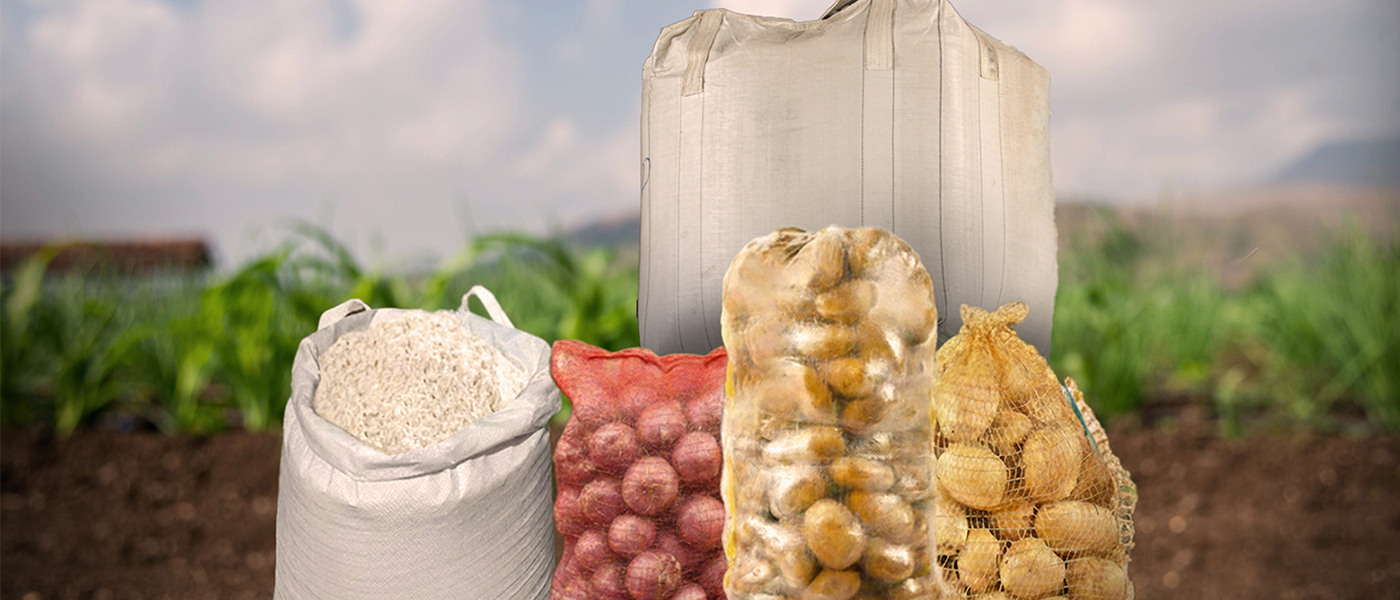
Packaging solutions used in the process of transporting, storing and protecting products are among the most important building blocks of the logistics and manufacturing world. Especially sacks, widely used in agriculture, food, industry and construction, directly affect both operational efficiency and product safety. So, what should you pay attention to when buying a sack?
As Yıldırım Ambalaj, we have been offering sector-specific sack solutions since 1965. With this experience, we have compiled the key points you should consider to make the right sack selection.
1. Clarify Your Intended Use
Each product has different characteristics and transport conditions. Therefore, when choosing a sack, you should first ask:
“Which product will I transport or store?”
For products like potatoes, onions and citrus, breathable mesh (Raschel) sacks are ideal.
For products like flour, feed and grains, woven fabric (polypropylene) sacks should be preferred to prevent spillage.
For heavy and dusty materials like coal or construction sand, thicker sacks with higher carrying capacity are needed.
For non-food products, transparent or colored, printed sacks provide advantages in both transportation and brand promotion.
Yıldırım Ambalaj offers sack varieties with size and material options tailored to each product group.
2. Material Quality and Durability
The material a sack is made of minimizes risks such as tearing, puncturing or spilling during transport. The most preferred materials are:
HDPE (High Density Polyethylene): Used in Raschel sacks; flexible, light and durable.
PP (Polypropylene): Preferred in woven sacks; ideal for dusty and fine-grained products.
Laminated sacks: Provide moisture resistance; protect products especially in outdoor environments.
Durability is not only about the material, but also stitching quality and weaving density. Yıldırım Ambalaj offers quality, long-lasting sack options produced with high-strength threads.
3. Choose the Right Size and Volume
The amount and volume of the product determine the sack size. Oversized sacks are both costly and difficult to carry; undersized sacks may not meet capacity needs. Therefore:
Consider sector standards such as 50x80 cm, 60x100 cm, 80x120 cm.
Calculate volume based on product density and flow.
If needed, request custom-size production.
Yıldırım Ambalaj produces sacks with standard and custom measurement options for different sectors.
4. Ventilation and Breathability
Especially for agricultural products, a sack’s air permeability directly affects shelf life. Mesh (Raschel) sacks:
Allow products to breathe.
Help prevent dampness and mold.
Enable visibility of the product inside.
Therefore, mesh-structured sacks should be preferred for products like fresh vegetables and fruits, onions and potatoes.
5. Color, Printing and Labeling Options
Sacks are not only a transport tool, but also a packaging element that reflects brand identity.
Colored sacks make product separation and shelf organization easier.
Printed sacks are used for brand awareness and product tracking.
Special areas for barcode/labels can be requested.
Yıldırım Ambalaj provides a wide range of options for printed and colored sack production.
6. Environmental Awareness and Recycling
Today, sustainability has gained great importance in packaging choices. When buying sacks, consider:
Whether they are made of recyclable materials,
Whether they are reusable,
Whether they contain nature-friendly components.
In many of our products such as Raschel sacks, we use eco-friendly HDPE raw material and contribute to the recycling cycle.